August 21, 2026
Choosing a reliable auto body shop is an important step in making sure your vehicle is repaired accurately, safely, and with appropriate materials. Whether you need collision repairs, dent removal, paint correction, or more extensive bodywork, the facility you select can affect your vehicle's appearance, performance, and long-term value. With many repair businesses available, it helps to compare more than price alone. Reputation, workmanship, technician qualifications, warranties, communication, and convenience should all influence your decision. Taking time to evaluate these factors can help you feel more confident about leaving your vehicle in professional hands.
Research Reputation and Customer Reviews
Online reviews provide a useful starting point when evaluating an auto body shop. Platforms such as Google and Yelp allow previous customers to describe their experiences with repair quality, communication, pricing, and turnaround times. Rather than focusing exclusively on the overall rating, read a range of recent reviews and look for recurring patterns. Consistent praise for workmanship and customer service can be encouraging, while repeated complaints about delays, unexpected charges, or poor-quality repairs may indicate problems worth considering.
Personal recommendations can provide additional insight. Friends, relatives, coworkers, and neighbors who have recently had collision or body repairs may be able to describe their experiences in greater detail. Ask whether the repairs were completed as promised, whether the final bill matched the estimate, and how the business responded to questions or concerns. Comparing personal recommendations with online feedback provides a more balanced picture of a facility's reputation.
Verify Certifications and Industry Experience
Professional credentials can help demonstrate a facility's commitment to recognized repair standards. Certifications from industry organizations or vehicle manufacturers may indicate that technicians have completed specific training and that the business meets established requirements for equipment and repair procedures. Because vehicle construction and safety systems continue to evolve, ongoing technician education is especially valuable. Ask what certifications the facility holds and whether technicians receive regular training on newer materials, electronics, and repair techniques.
Experience also matters, particularly when a vehicle requires complicated structural or cosmetic repairs. A long-established business may have developed strong relationships with parts suppliers, insurers, and customers, but years in business should not be the only consideration. Ask whether the technicians regularly work on your particular vehicle make or model. Familiarity with manufacturer specifications can help technicians identify appropriate repair procedures and avoid unnecessary mistakes.
Evaluate the Quality of Previous Work
Before choosing an auto body shop, consider asking to see examples of completed work. Photos of previous collision repairs, paint refinishing, dent removal, and panel replacement can provide a clearer idea of the facility's capabilities. According to DentGoalie, roughly 20% of auto body dents and scratches occur in parking lots, making the ability to perform precise cosmetic repairs particularly relevant for many vehicle owners. Pay attention to panel alignment, paint consistency, surface finish, and the overall appearance of repaired vehicles. Quality bodywork should restore damaged areas without obvious gaps, uneven surfaces, overspray, or noticeable differences in paint color.
Attention to detail is particularly important because body repairs involve more than improving appearance. Poor panel alignment can affect doors, trunks, hoods, lights, and other components. Technicians should also inspect surrounding areas for hidden damage that may have resulted from an impact. A careful repair process addresses both visible and underlying problems instead of simply covering cosmetic damage.
Ask About Parts and Repair Materials
The parts and materials used during repairs can influence fit, appearance, durability, and cost. Depending on the repair and insurance coverage, a facility may use original equipment manufacturer parts, aftermarket components, recycled parts, or a combination of options. Ask what type of parts are included in the estimate and why they are being recommended. Understanding these differences allows you to make a more informed decision about the repair.
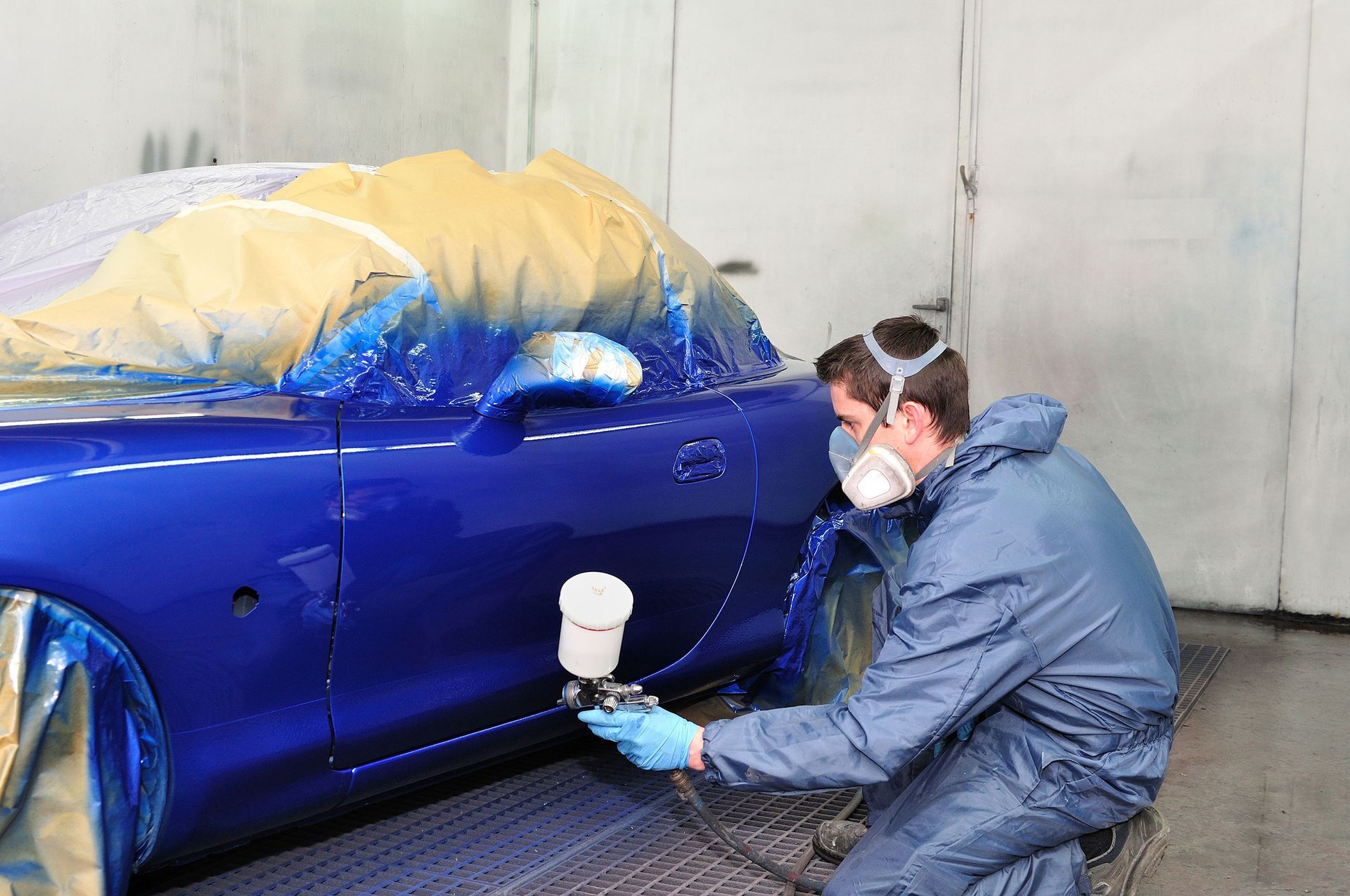
Paint and refinishing materials deserve similar consideration. Modern vehicles often use sophisticated paint systems that require accurate color matching, proper surface preparation, and controlled application. A qualified facility should have equipment and procedures for matching the existing finish as closely as possible. Asking how technicians handle refinishing and paint matching can reveal a great deal about the quality standards followed by the business.
Review Warranties and Repair Guarantees
A reputable auto body shop should clearly explain any warranties covering workmanship, paint, replacement parts, or other aspects of the repair. Warranty terms vary, so customers should understand exactly what is covered, how long the protection lasts, and whether there are exclusions. Requesting warranty information in writing can prevent misunderstandings if a concern develops after the vehicle has been returned.
It is also helpful to ask what happens if you notice a problem after leaving the facility. A business that has an established procedure for inspecting and correcting legitimate repair concerns demonstrates accountability. While no repair provider can guarantee that unrelated vehicle problems will never occur, clear policies can provide valuable reassurance when significant bodywork is being performed.
Compare Detailed Estimates and Pricing
Obtaining estimates from multiple repair facilities can help you understand expected costs and identify meaningful differences between proposed repairs. An estimate should provide enough detail to show labor, replacement parts, paint materials, and other significant charges. If one estimate differs substantially from the others, ask why. The difference could reflect the type of parts being used, additional repair procedures, labor rates, or damage that another technician did not identify.
The lowest estimate is not automatically the best value. A suspiciously inexpensive repair could involve lower-quality materials or fewer repair steps, while a higher estimate may include necessary procedures that others overlooked. Instead of making a decision solely on the final price, compare what each auto body shop proposes to do. Transparent explanations help customers understand where their money is going and make meaningful comparisons between facilities.
Inspect the Facility and Equipment
Visiting a repair facility before authorizing work provides an opportunity to observe its organization and professionalism. The building does not need to look brand new, but work areas should appear reasonably organized and suitable for the services being performed. Modern equipment is increasingly important because newer vehicles can incorporate high-strength materials, advanced driver-assistance systems, sensors, cameras, and sophisticated electronic components.
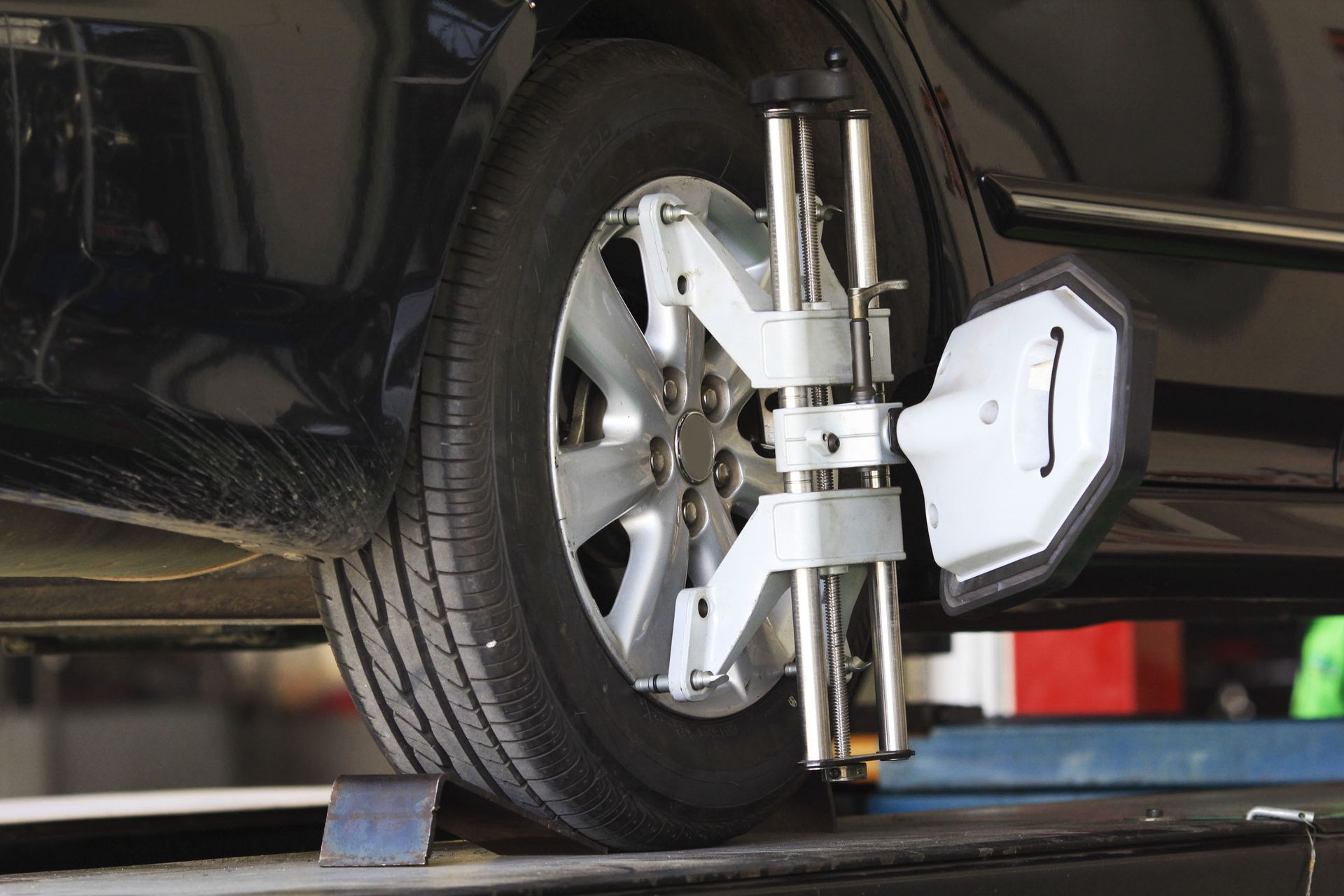
Ask whether the facility has the tools needed to handle the specific repairs your vehicle requires. Structural repairs, for example, may require specialized measuring and straightening equipment. Certain vehicles may also require scanning, calibration, or manufacturer-specific procedures following collision repairs. A facility that invests in appropriate technology is better prepared to address the increasing complexity of modern automobiles.
Consider Communication and Customer Service
Effective communication can make a stressful repair process much easier to manage. From the initial estimate through final vehicle pickup, staff members should be willing to answer questions and explain recommended repairs in understandable terms. Customers should know how they will receive updates, who to contact with questions, and what will happen if technicians discover additional damage after work begins.
Responsiveness is particularly important when repairs involve an insurance claim. Some facilities help customers communicate with insurance companies, document damage, and manage supplemental estimates when previously hidden damage is discovered. Although the vehicle owner remains responsible for understanding the claim and repair authorization, experienced administrative support can simplify the process. Professional staff should also explain delays promptly rather than leaving customers uncertain about the status of their vehicles.
Before selecting an auto body shop, review the written estimate carefully, ask questions about anything you do not understand, and confirm warranty terms and anticipated timelines. Taking these steps before repairs begin can reduce misunderstandings and make it easier to evaluate the finished work. A carefully chosen facility should be able to explain its recommendations, document the repairs being performed, and demonstrate a commitment to restoring the vehicle properly. Investing time in the selection process can ultimately protect your vehicle's appearance, functionality, safety, and long-term value. Contact Master Repairs Body Shop LLC today and learn more about our auto body services.