April 27, 2026
Vehicle window tinting presents a blend of aesthetic charm and functional benefits, but it also carries significant legal implications that every owner must understand. While we all appreciate the privacy and heat reduction that a dark tint provides, it’s a shared responsibility to make sure our modifications don't compromise road safety. It is crucial to comprehend the myriad of regulations governing window tinting to make sure compliance and avoid legal pitfalls. This understanding not only protects vehicle owners from penalties but also makes sure safety standards are met for drivers and all road users alike. With clear state and federal guidelines in place, neglecting these regulations can lead to various consequences, including fines and corrective enforcement measures. Whether you are visiting an auto body center for a fresh look or a necessary repair, staying informed is the first step toward a worry-free driving experience.
Understanding the Basics of Window Tinting
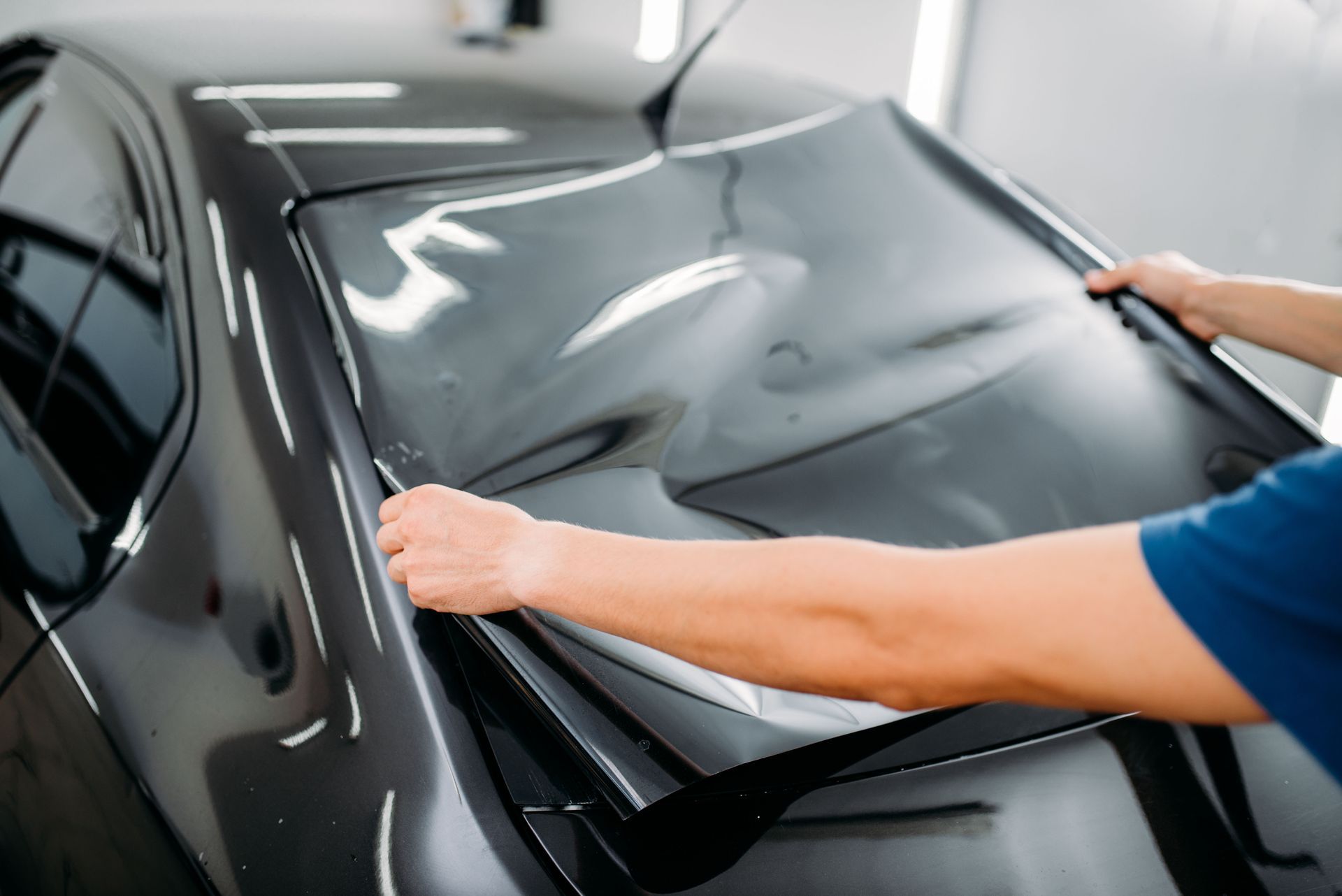
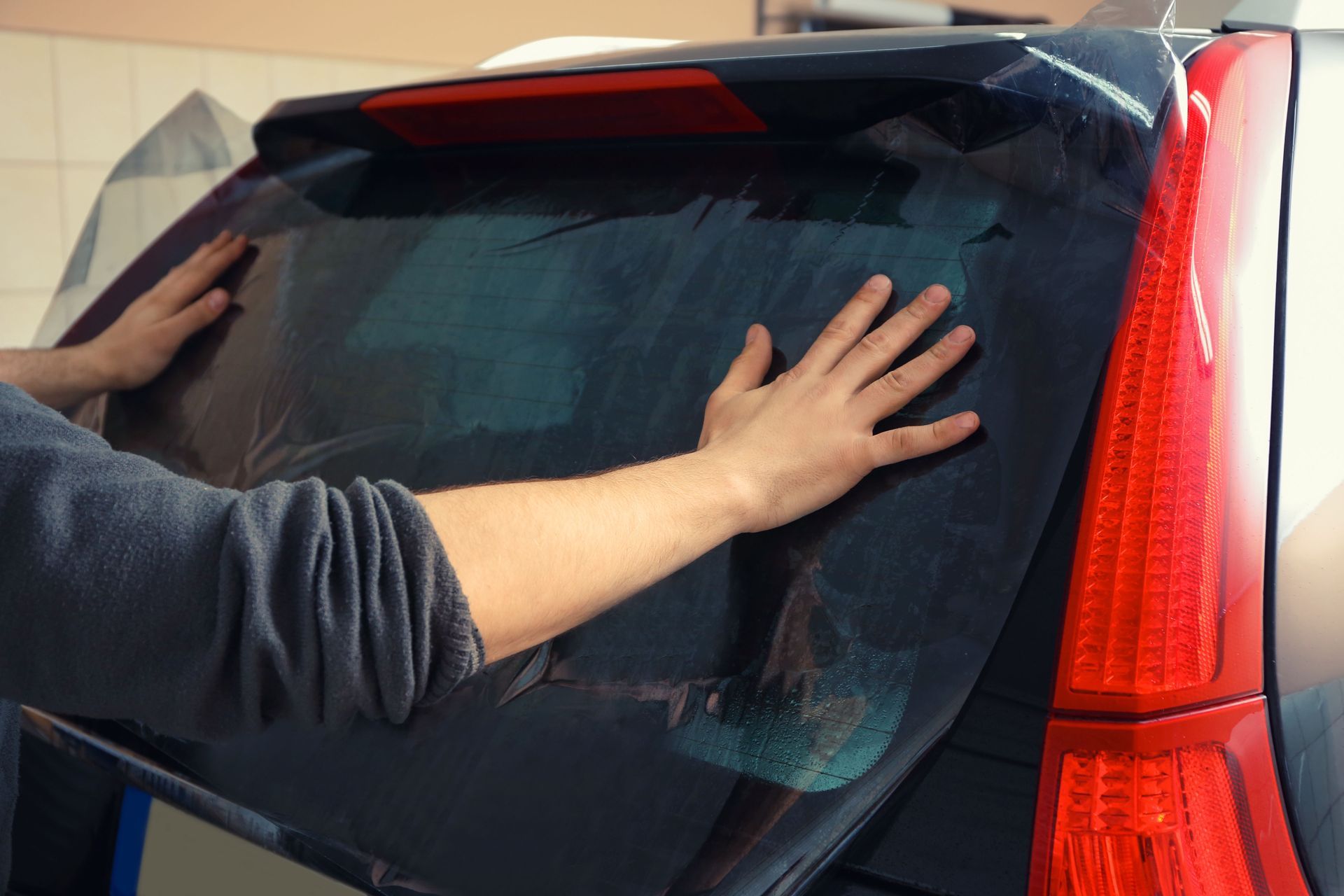
Window tinting is much more than just a way to make a car look sleek; it involves applying a thin laminate film to a vehicle's glass to darken it. When you visit an auto body center, you’ll find various types of films, including dyed, metallic, carbon, and ceramic, each with its own set of perks. While dyed films offer a classic non-reflective look, ceramic tints are the heavy hitters for heat resistance. However, choosing the right film isn't just about style. It’s a balance of personal taste and staying within the lines of the law. Beyond the cool factor, these films provide privacy and block harmful UV rays, which protects both your skin and your car's interior. In places with high sun exposure, like Texas, people often head to an auto body center to stay cool, though they have to be careful since certain colors like red or blue are strictly off-limits for windshields.
Navigating Federal Standards and Visibility
While it might feel like you can pick any shade you want, there are federal safety standards designed to keep everyone on the road safe. The main goal here is visibility. The Federal Motor Vehicle Safety Standards (FMVSS) provide the overarching framework, but the specifics usually fall to the states. The most important term to know is Visible Light Transmission, or VLT. This measures exactly how much light gets through the film. If a tint is too dark, it becomes a safety hazard, especially at night or in bad weather. This is why many people prefer to have their film installed at a professional auto body center, ensuring the VLT levels don't cross the line into illegal territory. Federal rules also apply differently to commercial trucks or government vehicles, which often have their own set of visibility and security protocols to follow.
Adhering to State Specific Tinting Regulations
Even though federal rules exist, state laws are where things get a bit complicated. Every state has the power to set its own VLT percentages, creating a patchwork of rules across the country. For example, California is known for being quite strict about front windshield visibility to handle its heavy traffic safely. On the other hand, Florida is a bit more relaxed regarding rear windows because the sun is so intense there. If you are moving or traveling, it is a good idea to check in with a local auto body center to see if your current tint meets the local requirements. According to Tinting Laws, front side windows must allow more than 25% of light in. Enforcement usually happens through roadside checks or during annual inspections where officers use specialized meters to see if your windows are compliant with these local variations.
Qualifying for Medical and Special Exemptions
There are times when the standard rules don’t apply, particularly for people with specific health needs. Conditions like lupus or albinism make individuals extremely sensitive to UV rays, which can make driving in a standard vehicle painful or dangerous. In these cases, you can actually apply for a medical exemption that allows for darker tints than the law usually permits. This process usually requires a doctor’s note and a formal application with the state’s motor vehicle department. It’s also worth noting that government and emergency vehicles often have their own exemptions for security or operational reasons. If you think you qualify for a medical waiver, a reputable auto body center can help you choose a film that meets your health needs once you have the proper legal paperwork in hand.
Managing Enforcement and Legal Penalties
Getting caught with illegal tint can be a real headache. Law enforcement officers use tint meters to quickly check the VLT of your windows during a stop. If your windows are too dark, you’ll likely walk away with a citation that requires you to remove or fix the tint within a certain timeframe. These fines can add up, and repeat offenses can lead to even steeper penalties. If you believe a citation was given in error, you can dispute it, but you'll need solid documentation. This is why keeping your receipts and compliance certificates from an auto body center is so important. Having proof that your tint was installed to meet legal standards can save you a lot of trouble in court or during a secondary inspection.
Evaluating Future Trends and Technology
The world of window film is changing fast thanks to new technology. We’re seeing things like nanotechnology and "smart" tints that can actually change their darkness based on how much sun is hitting them. While these are exciting, they also pose new questions for lawmakers who have to figure out how to regulate a window that isn't the same shade all day long. As these technologies become more common, you’ll likely see them popping up at your local auto body center. There is also a big push toward films that improve energy efficiency, helping cars stay cooler without blasting the air conditioning, which is a win for the environment. Staying informed about these changes is key for any vehicle owner who wants to stay ahead of the curve.
Sustaining Compliance and Proper Documentation
At the end of the day, staying legal is all about being proactive. Laws can change, and what was legal last year might not be today. It’s a good habit to check your state’s current VLT requirements every once in a while. Whenever you get work done, make sure you're working with professionals who understand the nuances of the law. Keeping a folder in your glove box with your tint specifications and receipts from the auto body center can provide immediate peace of mind during a traffic stop. By balancing the functional benefits of tinting with a clear understanding of the legal landscape, you can enjoy a cooler, more private ride without the stress of legal pushback.
Ultimately, the decision to tint your vehicle windows is an investment in both comfort and protection. However, as we’ve explored, that investment is only as good as its compliance with the law. Navigating the patchwork of state and federal rules might seem daunting, but by working with a knowledgeable auto body center, you can make sure your vehicle remains both stylish and street-legal. Remember that these laws aren't just red tape; they are designed to keep the community safe by ensuring every driver has the visibility they need to react to the unexpected. By keeping your documentation in order and staying aware of technological shifts, you can enjoy the many perks of window tinting without the shadow of a legal headache. For all your collision and window needs, reach out to Master Repairs Body Shop LLC.