October 28, 2026
Auto body repair services are crucial for maintaining the structural integrity and aesthetic appeal of vehicles after an accident or collision. The process not only focuses on repairing visible dents and scratches but also ensures that every mechanical part is functioning smoothly. This comprehensive approach is what restores a vehicle to its original state, providing both aesthetic value and safety for the driver. Given the high frequency of accidents, these services are indispensable to car owners. Understanding the repair process can empower vehicle owners to make informed decisions about maintaining their car's value.
Assessing the Damage
Assessing the damage is the first step in the auto body repair process. This involves conducting an initial inspection to determine the scope of the damage, which can range from minor dents to significant structural damage. Technicians use specialized equipment to perform a thorough evaluation, ensuring that they identify all areas needing repair. According to Gitnux, over 80% of collisions in the United States occur at speeds of less than 40 miles per hour. This statistic highlights the importance of inspection, as even low-speed impacts can cause significant damage.
Determining repair levels is a critical component of damage assessment. This process involves categorizing the damage based on severity, from cosmetic issues to major structural repairs. By understanding the level of repair required, technicians can prioritize tasks and allocate resources efficiently. It ensures that all repairs meet strict safety and quality standards. A thorough assessment allows service providers to cater to both immediate and long-term repair needs.
Estimating costs and time for repairs is integral for customer transparency. Auto body shops calculate costs based on the materials needed, labor, and the extent of repairs. Accurate estimates empower customers to plan financially and set realistic expectations regarding vehicle downtime. Moreover, by preparing for renovation beforehand, technicians can streamline the repair process, reducing delays. Achieving customer satisfaction involves extensive consultation and gaining approval before proceeding with repairs.
Understanding Structural Repairs
Structural repairs are crucial for ensuring a vehicle's safety and performance post-collision. Frame alignment and straightening are the cornerstones of this process, as they deal with the most critical aspects of restoration. Misalignment can cause issues such as uneven tire wear and steering problems. Technicians use advanced computerized alignment systems to ensure precision and restore the car's original handling characteristics. Perfect frame alignment is essential for a vehicle's roadworthiness and safety.
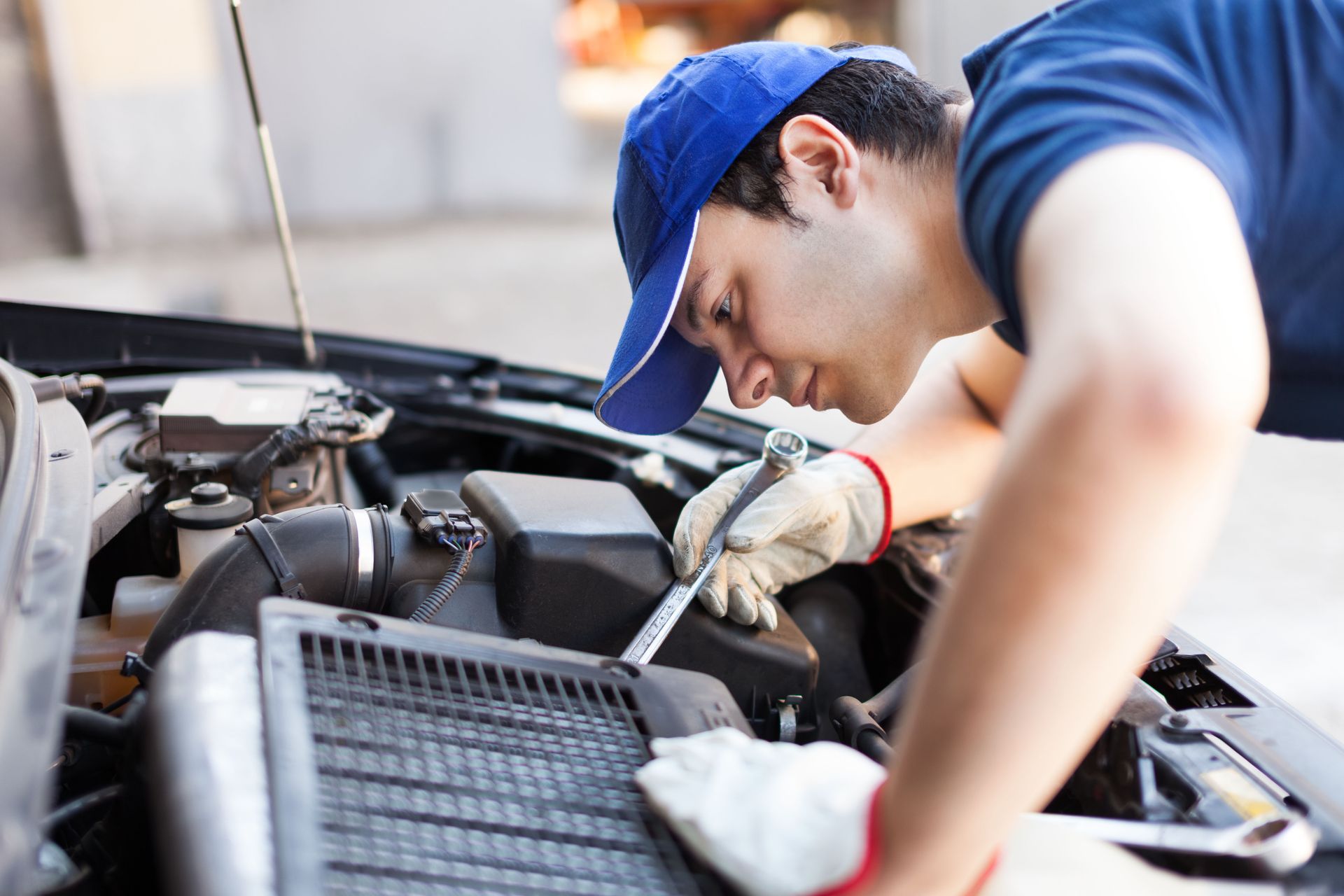
Replacing damaged panels is often necessary to restore a vehicle's exterior. This step involves the removal of dented or broken panels and the installation of new ones. Modern auto body shops often use OEM (original equipment manufacturer) parts to ensure compatibility and reliability. Additionally, dealing with internal damages, such as engine or suspension issues, requires specialized knowledge and expertise. Using sophisticated tools and techniques allows technicians to resolve these problems efficiently.
Ensuring structural integrity is paramount to the repair process. Technicians need to verify that all repairs, especially those affecting the car's structure, meet safety standards. The goal is to return the vehicle to its pre-accident condition, both visually and performance-wise. By focusing on craftsmanship and precision, auto body repair services guarantee that every aspect, from the frame to internal components, retains its functional integrity. This comprehensive approach ensures longevity and safety, enhancing driver confidence on the road.
Considering Surface Repairs and Painting
Surface repairs and painting are vital for restoring a vehicle's appearance. The process begins with smoothing and sanding surfaces to eliminate any imperfections. Proper preparation ensures that the paint adheres well and that the result is smooth and even. Any variability in surface texture can affect the paint job, leading to subpar results if not corrected beforehand. Technicians meticulously prepare the car's surface to achieve a flawless finish.
Applying undercoats is a critical step in the painting process. Undercoats, including primers, provide a base for the final paint layers and ensure better adhesion. They also help in covering any imperfections and contribute to the durability of the paint job. A properly applied undercoat can extend the life of a vehicle's paint, protecting it from chips and natural wear and tear. This layer also helps in achieving a true color representation once the final coat is applied.
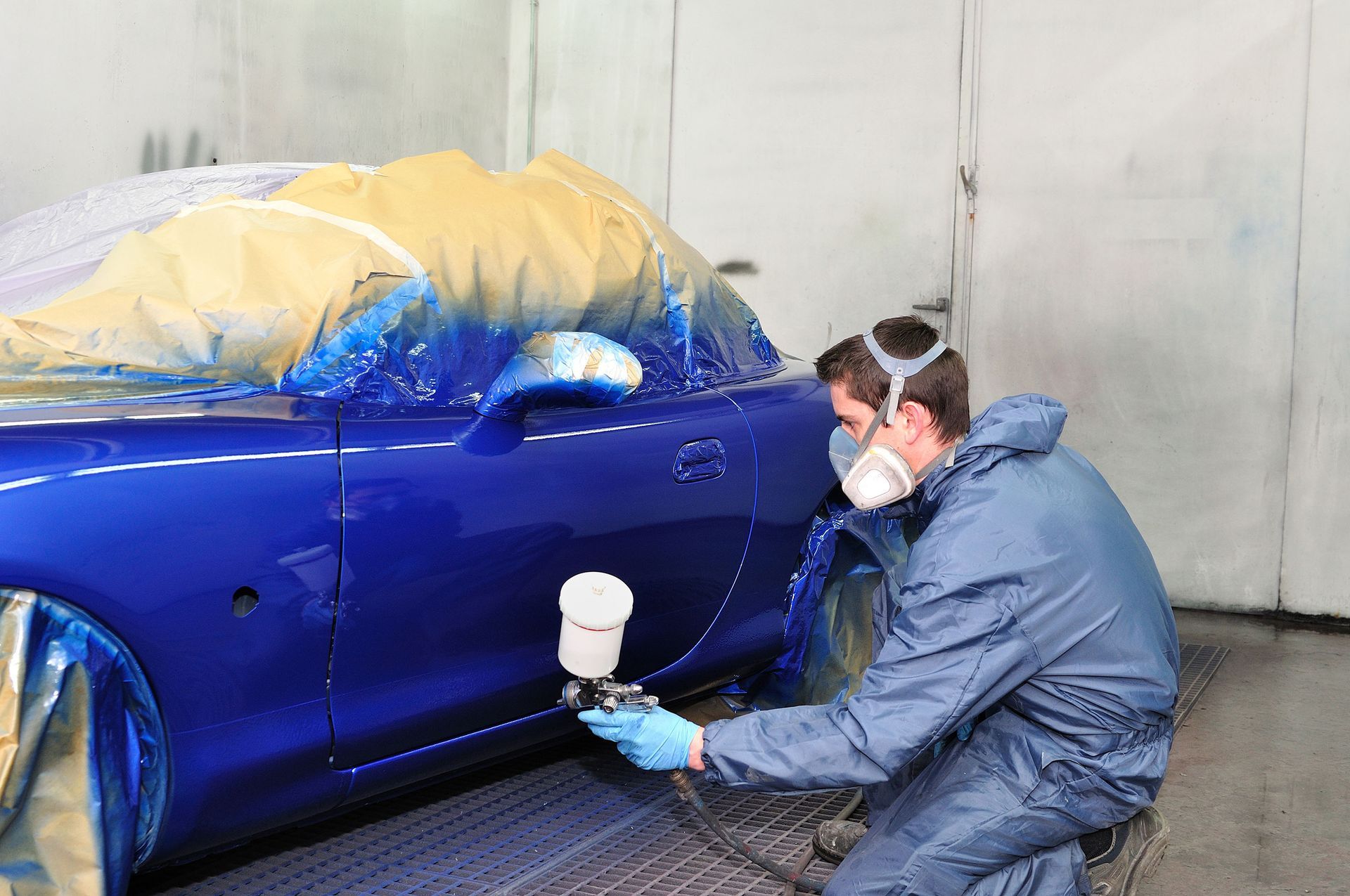
Painting techniques and equipment are continually evolving to improve outcomes. Professional auto body shops use state-of-the-art spray booths and tools to apply paint evenly and consistently. Color matching is another crucial element, where technicians ensure the new paint matches the original color perfectly. Advanced color matching technology can recreate the exact shade by considering factors like sunlight exposure and paint aging. Finally, paint curing and finishing solidify the surface, ensuring the car looks as good as it did when it first rolled off the assembly line.
Detailing and Finishing Touches
Detailing and finishing touches elevate a repaired vehicle from functional to spectacular. Interior cleaning and enhancements not only improve aesthetic value but also contribute to passenger comfort. The process involves deep cleaning and sometimes reupholstering or replacing parts like mats and covers. Technicians also pay attention to details like dashboard treatments and air conditioning system checks. These enhancements ensure the interior matches the refreshed exterior.
Exterior surface detailing goes beyond basic washing and waxing. It involves intricate tasks like polishing, which removes minor paint imperfections, and applying protective coatings to shield the paint from environmental damage. Tire and wheel treatments are also integral, giving the vehicle a cohesive, newly-restored look. These services highlight the fine craftsmanship and attention to detail that distinguish professional auto body repair services. Quality detailing can significantly increase a vehicle's resale value and owner satisfaction.
Glass repair and polishing involve addressing any chips, cracks, or scratches on a vehicle's windows and mirrors. This process not only improves visibility for safer driving but also contributes to the overall aesthetics of the car. Final quality checks ensure that every detail, both large and small, meets the highest standards before delivery. Technicians perform a comprehensive inspection, accounting for both functionality and appearance. Completing these checks marks the final phase before customer handover, ensuring satisfaction and peace of mind.
Ensuring Quality Assurance and Testing
Quality assurance and testing form the backbone of the auto body repair services. Performance testing ensures that the vehicle operates optimally, covering aspects such as engine performance, braking systems, and alignment. This rigorous evaluation confirms that all repairs were conducted correctly and that no issues have been overlooked. Safety checks are equally important, focusing on critical systems like airbags, seatbelts, and other safety features. Together, these tests guarantee a roadworthy vehicle that performs as expected under normal driving conditions.
Customer satisfaction feedback is vital for continuous service improvement. After repairs, technicians often seek feedback to identify areas for improvement and to ensure that the customer's expectations were met. Addressing customer concerns is equally important, giving repair shops an opportunity to rectify any overlooked issues and enhancing credibility. This proactive approach helps build lasting relationships with clients and strengthens the shop's reputation in the community. Effectively managed feedback contributes to the refinement of service processes and standards.
Final approval for delivery marks the culmination of hours of meticulous work. Before handing over the car, technicians offer a detailed rundown of the services performed, coupled with assurances about the vehicle's performance and safety. This final check serves as a seal of assurance, confirming that the car is ready for everyday use and in better condition than before the accident. It provides both the technician and the client with closure, signifying the job's successful completion and the restored glory of the vehicle.
Auto body repair services play a vital role in restoring vehicles to like-new condition, offering a comprehensive approach that encompasses everything from structural integrity to aesthetic enhancements. This meticulous process ensures that cars not only look pristine but are also safe and reliable. The long-term benefits for car owners are substantial, providing them with peace of mind and confidence on the road. Investing in professional auto body repair services is a strategic decision that offers lasting returns. Contact Master Repairs Body Shop LLC today to get started on any repairs your vehicle needs.