February 27, 2026
Wheel alignment plays a vital role in overall vehicle performance, safety, and comfort. When wheels are properly aligned, they point in the correct direction and meet the road at the right angles. This allows for smooth handling, improved fuel efficiency, and longer tire life. Many drivers overlook alignment until noticeable problems appear, but routine checks can prevent costly damage. In many cases, wheel alignment is addressed during auto body repair services, especially after accidents or suspension damage. Understanding how alignment works and why it matters helps drivers protect their investment and maintain a dependable vehicle.
The Basics of Wheel Alignment
What Wheel Alignment Means
Wheel alignment refers to adjusting suspension components so that wheels sit at the proper angles according to manufacturer specifications. The key alignment angles include camber, caster, and toe. Camber measures the inward or outward tilt of the tire. Caster relates to steering stability, while toe describes how tires point inward or outward when viewed from above. When these angles are off, tires wear unevenly, and handling becomes unstable. Technicians performing auto body repair often inspect alignment to ensure the frame and suspension remain properly positioned.
The Science Behind Alignment
Alignment relies on precise geometry. Engineers design suspension systems so that weight distribution, steering response, and tire contact work together efficiently. When alignment angles shift due to impact or wear, rolling resistance increases. This forces the engine to work harder and reduces fuel economy. Over time, misalignment can stress suspension parts and lead to more extensive auto body repair needs. Maintaining proper geometry keeps the vehicle balanced and responsive in different driving conditions.
Types of Alignment Services
There are three main types of alignment: front-end alignment, thrust alignment, and four-wheel alignment. Front-end alignment adjusts only the front axle and is common on older vehicles. Thrust alignment ensures the rear axle aligns with the vehicle’s centerline. Four-wheel alignment is the most comprehensive option and is typically recommended for modern vehicles. During major auto body repair after a collision, technicians usually perform a four-wheel alignment to restore safe handling.
Common Causes of Wheel Misalignment
Potholes and Road Hazards
Potholes are among the most common causes of misalignment. Hitting a deep pothole can shift suspension components instantly. Even smaller road hazards, such as curbs or debris, can gradually affect wheel angles. Drivers who frequently travel on rough roads are more likely to require alignment checks or even auto body repair if damage occurs to control arms or tie rods.
Accidents and Collisions
Even minor accidents can disrupt wheel alignment. Fender benders, side impacts, or rear-end collisions may bend suspension parts or slightly shift the vehicle frame. After any collision, alignment should be inspected. In fact, alignment correction is often part of professional auto body repair to ensure the vehicle drives straight and remains safe.
Normal Wear and Tear
Suspension components naturally wear down over time. Bushings, ball joints, and shocks deteriorate, allowing movement that affects alignment angles. Gradual changes often go unnoticed until tire wear becomes obvious. Routine inspections help identify these issues early, reducing the risk of expensive auto body repair later.
Aggressive Driving Habits
Frequent hard braking, sharp turns, and fast acceleration increase stress on suspension components. Over time, this can shift alignment settings. Smooth and controlled driving reduces strain and helps preserve proper wheel angles.
Signs Your Vehicle May Be Misaligned
Uneven Tire Wear
One of the clearest signs of misalignment is uneven tire wear. When tires tilt or point incorrectly, certain sections make more contact with the road. This causes premature wear and shortens tire lifespan. Addressing alignment early prevents the need for costly tire replacement and potential auto body repair caused by excessive strain on suspension parts.
Vehicle Pulling to One Side
If a car drifts left or right without steering input, alignment may be off. This pulling sensation makes driving tiring and potentially unsafe, especially at highway speeds. A professional alignment service corrects this issue and restores balanced steering control.
Steering Wheel Vibration
Misaligned wheels can create vibration in the steering wheel, particularly at higher speeds. Vibrations may indicate alignment problems or worn suspension components. Ignoring these symptoms can lead to further mechanical damage requiring auto body repair.
Off-Center Steering Wheel
A steering wheel that sits crooked while driving straight suggests improper alignment. Proper adjustments ensure the steering wheel returns to center and maintains stability during travel.
Benefits of Proper Wheel Alignment
Improved Fuel Efficiency
Proper alignment reduces rolling resistance, allowing the engine to operate more efficiently. When wheels point in the correct direction, less energy is wasted. This translates into improved fuel economy and reduced emissions.
Extended Tire Life
Even tire contact prevents premature wear and extends tire lifespan. Drivers save money by avoiding early replacements. Consistent alignment maintenance also reduces the likelihood of suspension damage that may require auto body repair.
Enhanced Handling and Comfort
Vehicles with proper alignment respond accurately to steering input. Drivers experience smoother rides, better cornering, and greater overall stability. Comfort improves because the vehicle tracks straight without constant correction.
Reduced Long-Term Repair Costs
Alignment protects suspension and steering components from excessive stress. When alignment is ignored, additional parts may wear out quickly. Preventive alignment services minimize the risk of major auto body repair and keep maintenance expenses manageable.
Greater Safety
Safe driving depends on predictable handling. Proper alignment ensures tires maintain steady contact with the road surface. In emergencies, responsive steering can make a critical difference.
According to UnivDatos, the automotive wheel alignment market is expected to grow at a strong CAGR of around 4% during the forecast period, owing to the growing vehicle sales. This growth reflects increasing awareness among drivers about the importance of routine maintenance and alignment checks.
The Alignment Process
Initial Inspection
The alignment process begins with a comprehensive inspection. Technicians examine tire pressure, tread wear, suspension parts, and steering components. Any worn or damaged parts must be repaired before adjustments are made. In collision cases, this inspection may be part of a broader auto body repair evaluation.
Angle Adjustments
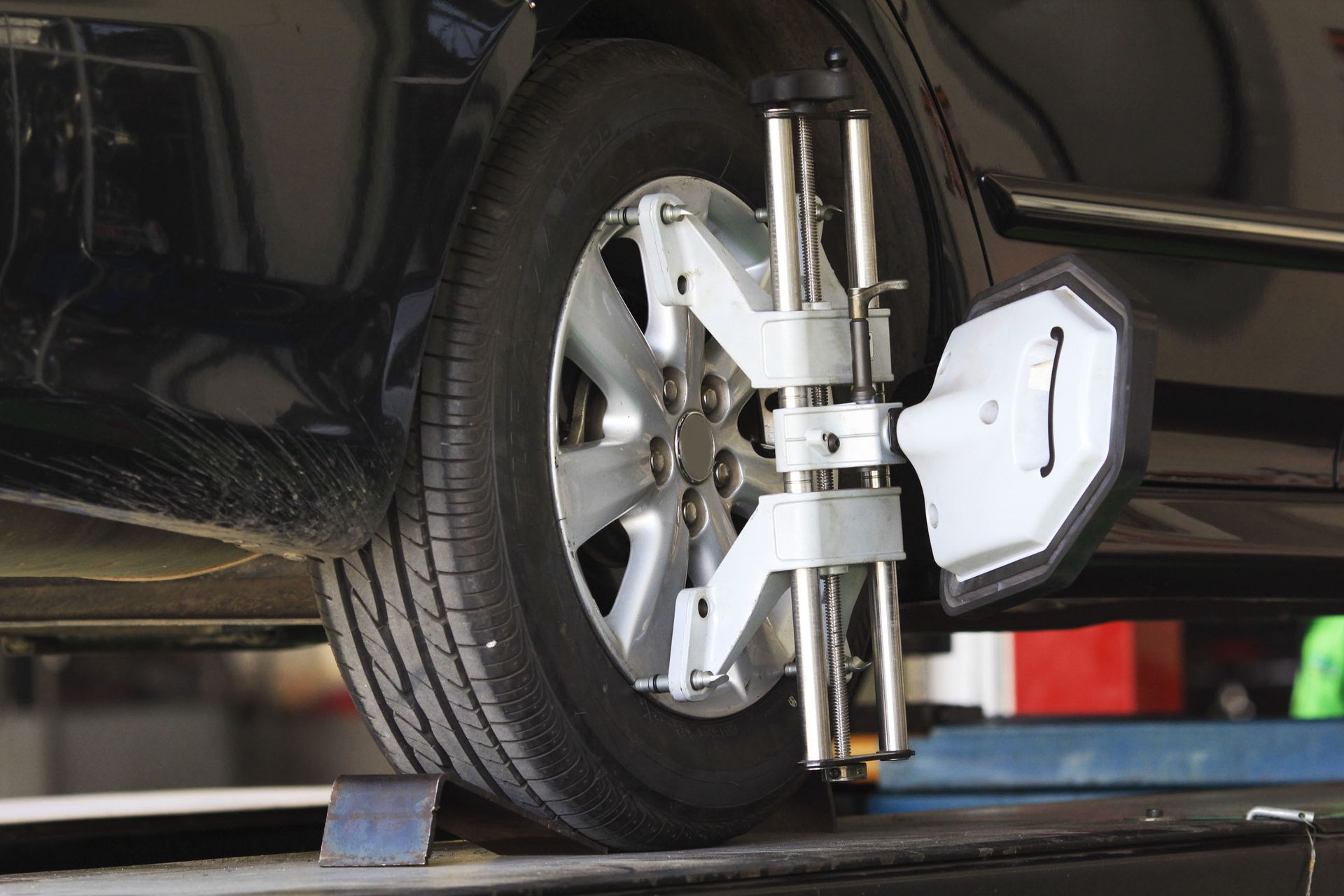
Using computerized equipment, technicians measure camber, caster, and toe angles. They then adjust these settings to meet manufacturer guidelines. Precise corrections ensure proper tire positioning and balanced handling.
Computerized Precision
Modern alignment machines use sensors and cameras to generate detailed readings. This technology allows technicians to make accurate adjustments quickly. Many advanced auto body repair centers rely on the same systems to confirm structural integrity after repairs.
Final Testing
After adjustments are complete, technicians verify measurements and may perform a test drive. This ensures the vehicle drives straight and the steering remains centered. Post-alignment checks confirm long-term reliability and safety.
Maintenance Tips to Preserve Alignment
Schedule Routine Checks
Experts recommend checking alignment at least once a year or every 12,000 miles. Drivers should also schedule inspections after replacing tires or experiencing a significant road impact.
Maintain Proper Tire Inflation
Correct tire pressure supports even wear and reduces strain on suspension components. Underinflated or overinflated tires can contribute to alignment issues.
Address Suspension Issues Promptly
Worn shocks, ball joints, and tie rods should be replaced quickly. Delaying suspension repairs can worsen alignment problems and increase repair costs.
Wheel alignment is essential for smooth driving, safety, and vehicle longevity. Proper alignment improves fuel efficiency, extends tire life, and enhances handling. Misalignment can result from potholes, accidents, wear and tear, or aggressive driving. Regular inspections and timely corrections prevent unnecessary damage and reduce long-term expenses. In many situations, alignment checks are closely connected to auto body repair services, especially after collisions. By staying proactive and scheduling routine maintenance, drivers can ensure their vehicles remain stable, efficient, and comfortable on the road for years to come. Contact Master Repairs Body Shop LLC for more information today.